Autumn is the season of choice for roof and gutter maintenance across Australia, spring not far behind. From March through May one finds milder weather and an easier time of it with debris like seed pods and leaves before the winter rains set in. Then there is spring, September to November, when conditions are right for a roof restoration or to put in some repairs and get rid of what the summer storms have left.
But you cannot put all of Australia in one weather box. The likes of Sydney, Melbourne, Brisbane, Adelaide, Wollongong, Canberra and Toowoomba have their own mix of wind, heat, frost, tree debris and bushfire risk. Your regional climate and any overhanging trees will dictate the proper inspection schedule. I am Isadora Graham and my advice on maintenance has to be able to stand up to reality, be it a slippery ladder, mozzies, an uninvited possum or hard going on the weatherboard.
A Practical Way to Start in Australia
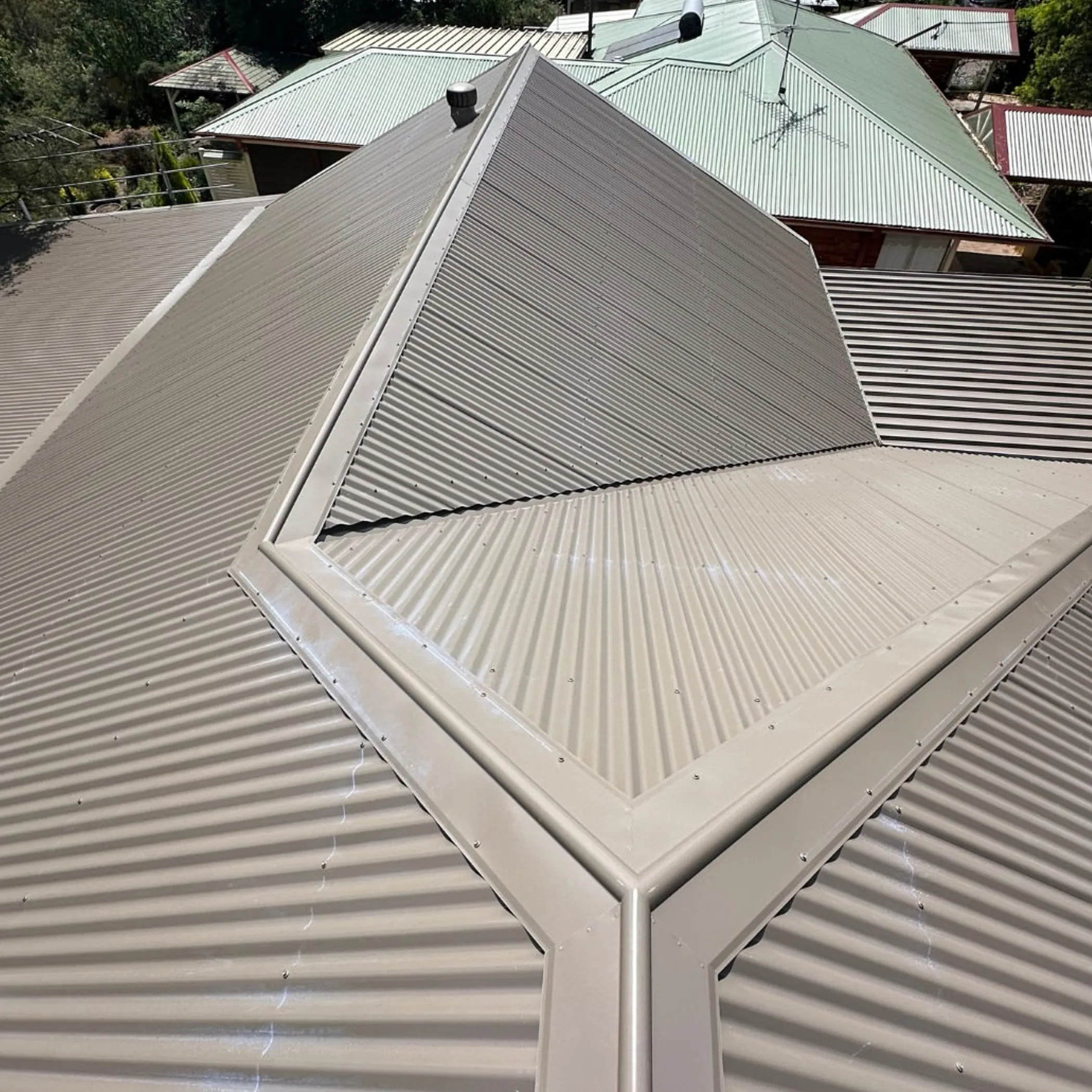
Book a professional in autumn and do a visual in spring. It is a good way of ensuring that a blocked gutter or a leak does not turn into an indoor water feature. You will spot the cracked tile, the loose flashing or failed sealant in time for a minor fix. For seasonal exterior cleaning services, this regular approach helps prevent larger problems.
When it comes to planning any work on the roof, heeding the Bureau of Meteorology is essential. Their forecasts and warnings should be your first port of call before anyone is put at height, especially with severe rain, cyclones or damaging winds in prospect. The Bureau of Meteorology forecasts and warnings should be checked before anyone works at height.
Risk and Timing
For a thorough check of the roof and gutters, autumn is hard to beat. Winter is for the odd repair and keeping leaks at bay if it is safe to do so; spring for clearing debris and restoration; summer for getting ready for the elements and bushfires.
Gutters are best cleaned after the leaf fall and ahead of the worst local rainfall. In the southern suburbs that is late autumn, but in tropical climes or warmer spots the timing will be dictated by the tree and rainfall cycles.
The Advantage of Autumn
Temperatures are mild and the working conditions more to one’s liking. There is also a sort of warning system in place as windblown rubbish and bark start to congregate where they ought not to. Put in an autumn check and you make roof defects plain to see while avoiding gutter overflow in the winter. Homeowners in Perth would be wise to an autumn inspection after a long dry spell. The same goes for those in cooler New South Wales or in Canberra, Adelaide and Melbourne between March and May.
Inspection
Have the pros look at everything from the eaves to the downpipes, vents and ridge caps. With metal roofs one wants to see if there is corrosion or a joint has given way, and on tile roofs for anything brittle or slipped. Do not overlook the valleys which are prone to holding water and detritus. An overhanging tree can leave one side of a roof looking worse for wear than the other and the dampness will bring out the moss and mould, concealing damage in the process.
An Autumn Checklist
- Clear the gutters and valleys of twigs, leaves and the like.
- See that the downpipes are not obstructed and water is discharging clear of the building.
- Note any rust, lifted metal, loose flashing or tiles in need of attention.
- Get an arborist in to trim back any offending branches.
Do not make the mistake of thinking gutter cleaning is the same job everywhere. A modern house with its share of gums and fruiting palms will demand more of you than a small cottage under a single deciduous. The roof is not interested in the calendar, only the weather and the debris.
Winter and Early Repairs

June to August will make short work of exposing any weak point you have let slide. It is a sensible period to have damaged tiles put right or an accessible section of gutter mended. But never attempt roof work in the wet or with strong winds about; a ladder has a mind of its own and the surface will be slick. For a rough pitch or difficult access a professional is worth the outlay.
Nipping Leaks in the Bud
They will show themselves as stains on the ceiling or around the cornice and skylights. A small mark is not to be taken as an indication of a minor repair. Water has a way of following the roof timbers before it makes itself known inside, leaving the stain some distance from where it entered.
In the winter months one should examine the ceiling in the wake of any heavy rain for discoloured plaster, bubbling paint, damp odours or mould. And if the ceiling sags, do not put a finger to it. Put off anyone in the vicinity and have the situation assessed without delay, all the more so when water is in the vicinity of electricals.
Winter For Planning
There is no better time than winter to put your mind to roof restoration, look into leaf guards or downpipe protection and weigh up the quotes for repairs. One will find costs are a function of the roof’s material, size, pitch, how much debris there is and access. To give a general idea for budgeting in Australia, you might put aside a few hundred dollars for a simple gutter clean; roof work of a more involved nature can run to several thousand. Make sure the quote is in writing and do not put stock in a pleasant figure on the phone.
That does not make winter the season of choice for a new roof. Dry conditions, what the contractor has on his books, lead times for materials and the state of the old roof are what matters. Autumn or spring is a more comfortable proposition in most parts, but structural damage of an urgent kind must be put right.
The Summer Damage Is Put Right In Spring

Spring is the natural time for a reset on seasonal maintenance, being between the winter rains and the coming of hotter weather, storms or bushfire risk. It is the period to plan roof cleaning and get repairs done. But spring has a way of catching one unawares; from the street the roof may seem in order while the gutters are full of wet detritus. Experience with household upkeep shows it is the unseen work that tends to inflate the bill: a branch chafing the sheets, a downpipe blocked or sealant that has given way.
Repair Before The Heat
Get ahead of the summer storms by mending any cracked tiles, loose ridge caps or bad flashing. Should there be lichen or mould, enquire as to the appropriateness of roof cleaning for the material at hand; an overzealous pressure washer will do harm to certain coatings and tiles. A cursory inspection of the plumbing vents, whirlybirds, skylights and solar panels is also in order in the spring, for age and movement can turn these breaks in the roof surface into leaks.
Debris And Trees
If the gutters are clogging up more than they did last year, it could be tree growth, wind or a problem with the pitch of the gutter. Leaf guards are no panacea for large debris and fine matter will still get through, so both need to be looked at. Those in Sydney, Brisbane and Toowoomba would do well to factor in fast vegetation and hard rain in their spring routine; in Canberra and Melbourne it is a case of checking for autumn debris and the like of winter damage. In Wollongong and Adelaide leaves and branches are moved about by the wind with some speed.
Summer Risk Planning
From December through February the focus is storm and heat management and bushfire readiness rather than the usual cleaning. The northern part of the country will have its schedule dictated by cyclone warnings and the wet season, the south by thunderstorms and closures. A blue sky is no reason to go up on a hot roof; metal gets to a dangerous temperature and heat stress comes on quicker than is thought. If there is only a day in it, make a professional booking and check the gutter outlets from the ground instead of making a hurried ascent.
When a storm is in the forecast, see that nothing is left unsecured and that the downpipes and gutters are in order. From the vantage of the ground one can spot a sagging gutter or a tile out of place. Do not be working at height as the weather turns. In northern New South Wales and Brisbane a blocked gutter will be swamped in short order by the summer deluge. Cyclone season in the north of Queensland, Western Australia and the Northern Territory, say November to April, calls for special attention to be paid to emergency access, tree limbs and flashings.
Bushfire Preparation
It is more than just the gutters when it comes to preparing for bushfire, though roof maintenance is part of it. Clear the leaf litter from the edges and valleys and round the downpipes and heed the fire authority. A leaf guard is not to be regarded as making a property immune to fire.
For those with a home in proximity to bushland, one should give thought to the safe keeping of any combustibles, the state of the cladding and what access emergency services have. But do not make any alterations without first consulting local guidance, as there are variations in the rules from one council or state to another.
Build A Regional Maintenance Calendar

One can devise a roof cleaning schedule for anywhere in Australia by taking the national seasons as a given and then factoring in the local vegetation and weather. What is set out in the table below is intended as a practical guide, not some hard and fast rule etched on a gutter bracket.
| Region | Priority Months | Main Risks | Useful Action |
|---|---|---|---|
| Sydney and Wollongong | March – May; September – November | Storms, coastal wind, leaf litter and rain | A pre-rain inspection of valleys, downpipes, gutters and flashings |
| Melbourne and Canberra | April – May; September – October | Winter leaks, frost, cold and leaves | Put right any defects and clear away autumn debris ahead of winter |
| Brisbane and Toowoomba | Late spring/early autumn | Intense rain, summer storms and rapid growth of vegetation | Have the downpipes and gutters in order before storm season |
| Adelaide | March – May; September – November | Heat, wind, dryness and leaf litter | Look over the sealants, metal fixings and joints in the gutters |
| Top End and Northern Australia | After a major storm; prior to wet season | Tropical debris, cyclones and heavy rain | Have a professional look at things while cyclone risk is still low |
In Western Australia it is the dry season that can obscure roof problems until the rain really sets in. In the Pilbara and around Perth it is best to be proactive with maintenance. And for the more remote property, there is the matter of logistics to contend with, not to mention rough roads and a paucity of trades; a roof job is not as simple as a short trip on the Stuart Highway.
Know Your Cleaning Frequency
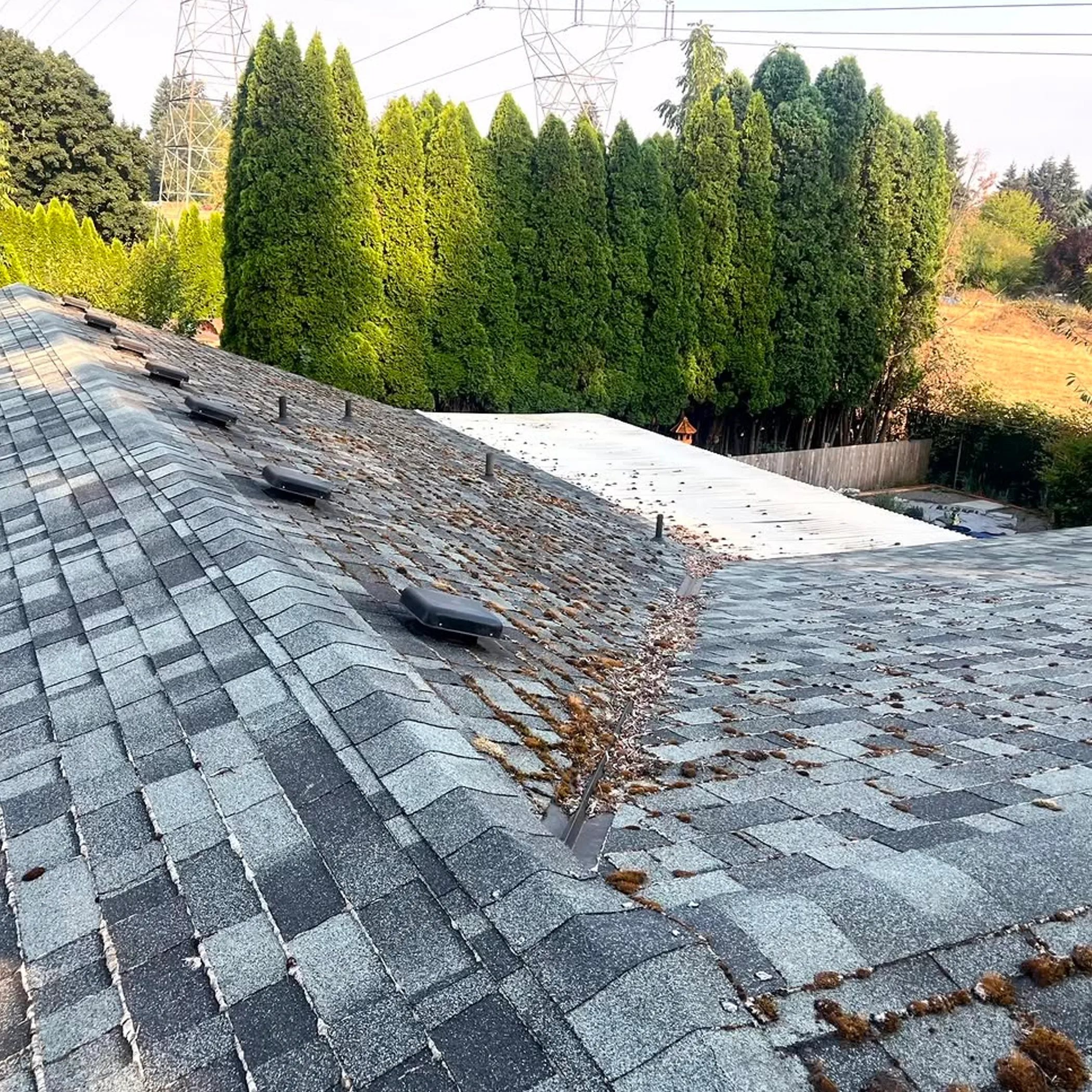
How often an Australian home ought to have its gutters done is not something you will find a blanket answer for. Once a year is a good rule of thumb, though if the house has a propensity to overflow, is under trees or in the path of storms, two inspections or more would be prudent. Do not rely on seasonal intervals alone, inspect after a big storm too. One night of wind and a home can go from being in fine order to completely blocked, particularly with gum leaves or seed pods about.
Adjust For Your Property
A single-storey with a metal roof does not demand the same forethought as a tile-roofed home with steep pitches, several valleys and poor access. Then there are the coastal homes where corrosion and wind damage call for closer scrutiny, or the bush properties where tree management and the clearing of debris is a more regular affair.
As to the question of which month to put aside for gutter cleaning, pick the one that precedes the worst of the local rainfall or debris. Southern homes will be looking at April or May, whereas late spring serves the subtropical, storm-prone home better. In the tropics, get it done before the wet season if you can.
Choose Professional Help Safely
When the roof is high up, fragile or covered in moss and mould, or you cannot get to it safely, a professional is worth calling in. They are also the option when fall protection is not to hand or you are not confident in your ability to spot a defect. Make sure the quote covers all bases: written report, disposal of waste, minor repairs, photographs and a check of the downpipes as well as the removal of debris. There are times when you will find seasonal exterior cleaning to be of great assistance, such as in the run up to a sale, in the wake of bad weather or if an insurance inspector wants to see the state of things for himself.
The case against DIY
A beginner would be ill advised to put foot on a roof that is steep, wet, brittle, heat-affected or has any contamination. Translucent roofing, tiles in question and damaged sheets are not to be walked on. Make sure the work area is off limits to children, visitors and pets; a ladder should never be put to use in the vicinity of overhead powerlines.
Should you have but a day, make it count by putting in place safe access and looking over any warning signs at ground level. Your first port of call ought to be the downpipe connection and gutter outlet. A blockage in that spot will bring on an overflow even if the rest of the gutter looks well enough.
Frequently Asked Questions

Homeowners have to make some practical choices with regard to roof repairs depending on the season and these questions are typical of that. The answers below are straightforward, yet one should let the climate of the region and the property itself be the deciding factor.
When is the right time for gutter cleaning?
One might say autumn, as it is a good way to get rid of seed pods and leaves ahead of the winter rains. After the winter storms have passed, spring is equally good. In places like Toowoomba and Brisbane where there is a propensity for storms, do not leave your gutters until after the summer storm season.
Replacing a roof: what season?
For the milder temperatures and less inclement weather of many southern climes, autumn and spring are preferable. But do not put off making good on damage because you are waiting for the right time of year. Any structural movement, a leak that will not go away or general deterioration calls for the opinion of a professional.
What month for the gutters?
April or May works for most in southern Australia. If there is a lot of tree cover, you may have to do it sooner; in the tropics and subtropics a pre-wet-season or pre-storm clean is in order. Pick the month before the risk of rain or debris is at its peak for your property.
And for the roof?
Temperatures being what they are in late autumn or spring, the surface can dry out between treatments. Do not attempt to clean in the face of strong winds, extreme heat or rain. The method employed has to be appropriate to the material of the roof.
Will cleaning the gutters stop a roof from leaking?
It goes some way to mitigating the risk of water coming in from blocked valleys or overflowing gutters, but it is no panacea. A building can still be penetrated by water from a failed flashing or a cracked tile, or simply bad installation, no matter how tidy the gutters are.
Make a simple plan

In Australia a sound maintenance routine for a roof need not be complicated. Inspect in the autumn, nip leaks in the bud over winter, then come spring repair and put things to rights in readiness for the bushfire conditions and summer storms. Be guided by the rainfall, the trees and what is typical of your suburb.
You do not have to fuss over a roof constantly but give it some heed before it makes an issue of it. Mark the calendar for an inspection, ensure you are accessing it safely and if the roof is as much of a mystery as a mozzie in the bedroom, or the job is above your head, get a professional in.
