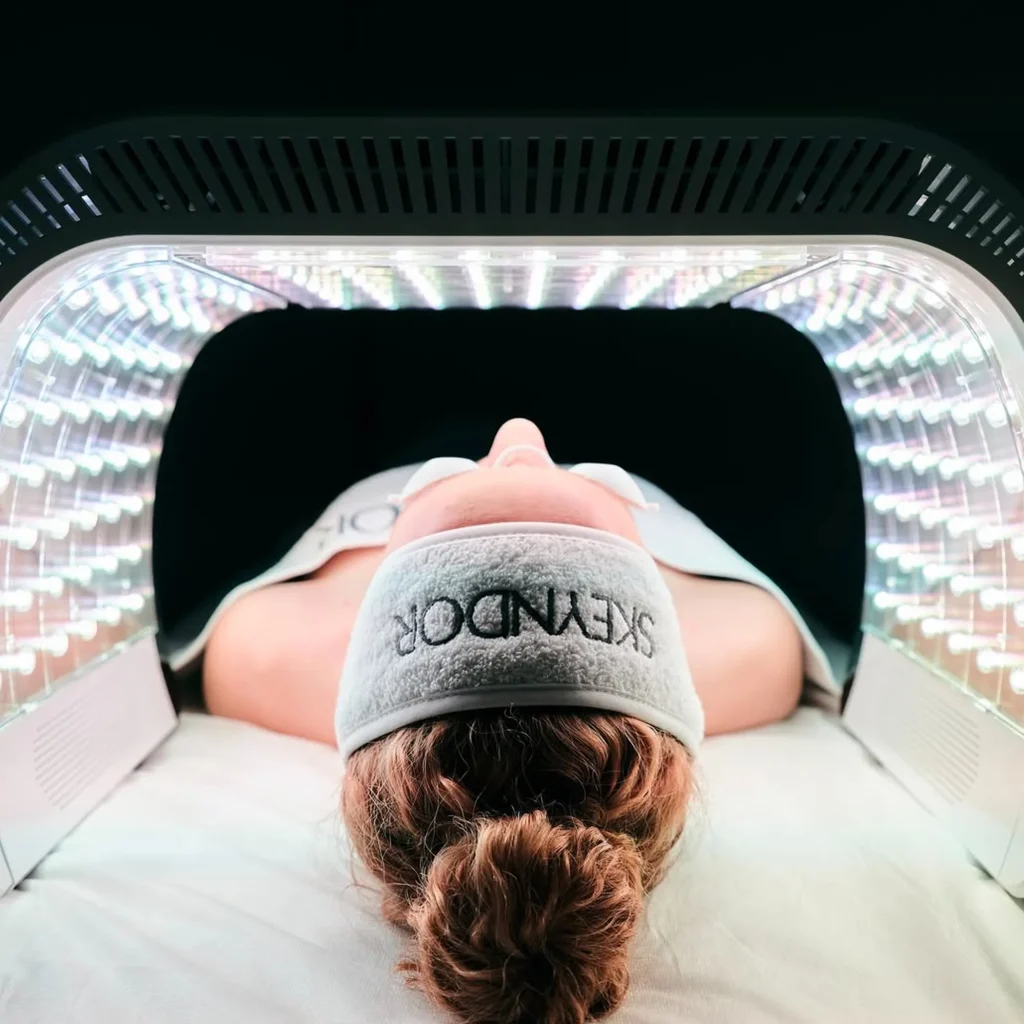
There is an old adage that summer pigment is more than a matter of sunscreen and any one who has to manage skin pigmentation in Australia will know it is true. The heat here, the UV and visible light put the melanin into overdrive, be it from a propensity to sunspots or post-inflammatory hyperpigmentation or even melasma in this country. To avoid flare-ups you have to cut down on the total number of triggers; slathering on SPF and leaving it at that is not enough.
I am Isadora Graham and I see where most people make their mistake. They put in the effort in the morning, then go about their day on hot tarmac, in the full sun with an exercise routine, by the window or with some active skincare that makes the barrier of the skin cross and reactive. And for all their “care” they are left with what seems like an injustice in the form of hyperpigmentation brought on by the heat. Reactive skin does not fare well in an Australian summer.
The Harder Hit of Summer
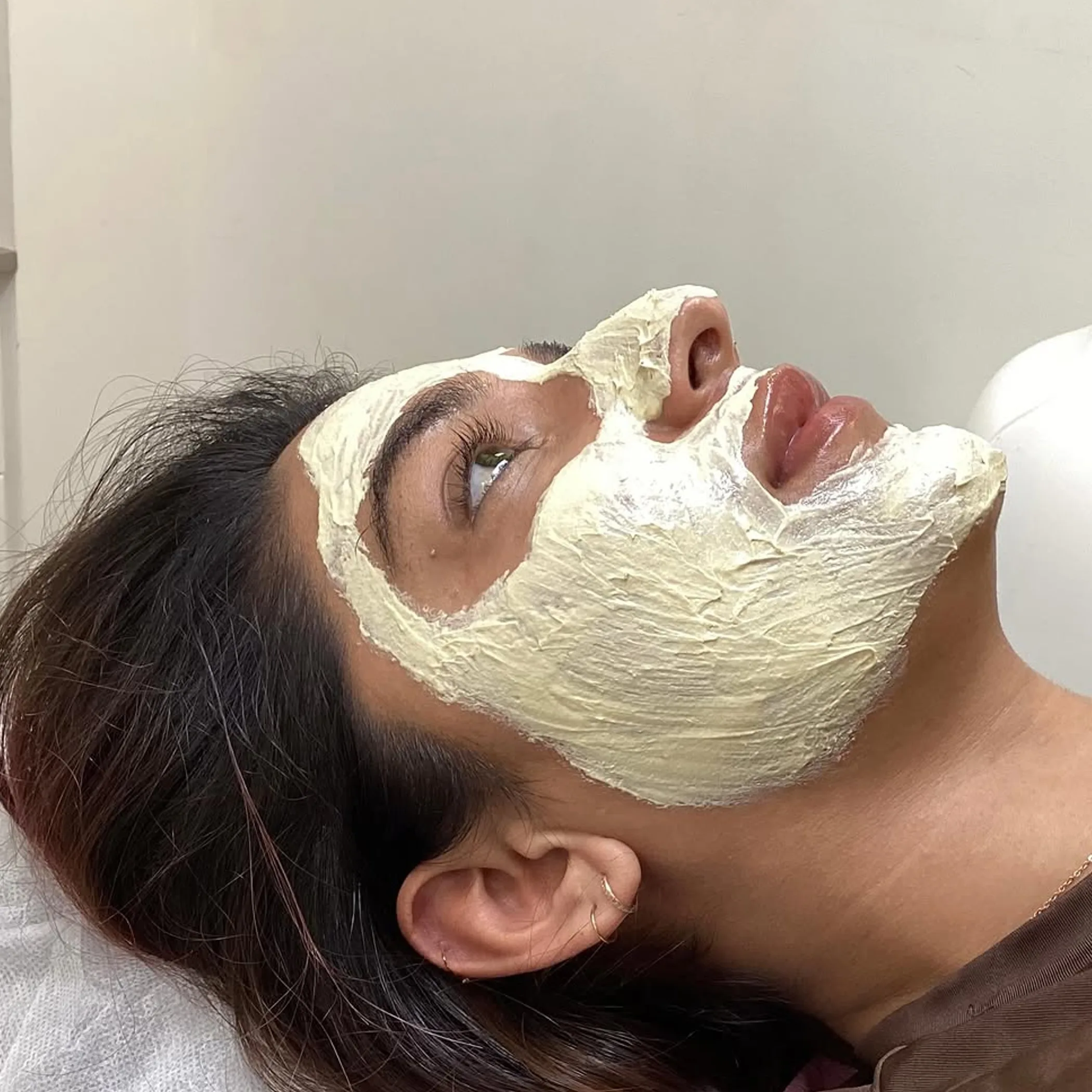
One can say the Australian summer is rough as guts and it puts stressors on you in spades. You have the bright UV, the daylight hours, light reflecting off water and the pavement, and the heat to stoke inflammation and pigmentation. Considering this, cooling skin after exercise can be beneficial.
Knowing how these triggers add up is of great benefit, it allows you to put your day and your skincare in order with better odds. There is no point in going after miracle creams when the damage is done.
What Makes Pigment Worse
It is rarely a single beach day that is the problem. More often it is the cumulative effect of moderate exposure: the driver’s seat, a coffee outside, the dog walk, the school run or a face already warm from being in the open at the weekend market. This sort of thing will deepen marks, impede the healing of post-inflammatory hyperpigmentation from acne or cosmetic irritation and aggravate melasma.
Then there is visible light which is something to consider if you have a darker tone or are susceptible to visible light melasma. An untinted sunscreen will do for UV but tinted mineral sunscreen has iron oxides to block some of that spectrum. Dermatologists will tell you it is a better bet for a plan to deal with stubborn pigmentation.
On the Subject of Melanin
Do not think of pigmentation as your skin misbehaving. It is doing precisely what it was made to do in the face of heat, light or injury. Once you grasp the mechanism you can see the way forward: curtail the stimulation and inflammation, let the skin recover and there will be less pigment to show for it.
Uv, Heat and Visible Light
While UV radiation is the prime mover of excess pigment, heat on its own can be bad for melasma and the like. It riles up the inflammatory signalling in the skin and increases blood flow. In those inclined to it, that means more melanin is produced without so much as a sunburn.
A day in the shade can set you back if it is hot enough. Put in some exercise or time in the sauna, or sit in a car with the side window letting in the sun and you have the makings of a summer flare-up. People are wrong to equate shade with no risk. It is not a force field though it does help.
For sound advice on the subject in Australia one can do worse than the sun and UV guidance of the Department of Health and Aged Care. They have the usual counsel to slip, slop, slap and slide on your sunglasses and get under cover.
Make Your Defence Part of the Day
A good routine for pigmentation in Australia should be gloriously unexciting. Realistic enough for a Tuesday when the dogs are wanting out and the bin has to be put out. If you need perfect lighting and all the time in the world to follow your plan, as you might on holiday, then it is hardly a plan at all. It has to stand up to sweat and the ordinary course of life.
When it comes to protection you want something that will do its job.
A broad-spectrum SPF 50+ is sensible for the Australian summer. With melasma or pigment that is sensitive to visible light a tinted mineral sunscreen is very handy; the tint gives you more coverage and is less of a ghostly affair to reapply. Apply a broad-spectrum SPF 50+ sunscreen to the face, ears, neck and any part of the chest left uncovered each morning.
Where melasma or visible light melasma is an issue, a tinted mineral variety is preferable.
Be sure to put on some physical sun protection in the form of UPF clothing, sunglasses, a wide-brim hat and shade when you can. And if the goal is to stay clear of heat triggers for pigmentation, forgo outdoor exercise in the height of the afternoon.
Then reapply your sunscreen in accordance with the product instructions after two hours outside or if you have been swimming or perspiring heavily.
I am wont to see clients who have put out AUD 200.00 for brightening products don a cap so small it leaves all but the top of the forehead in the shade. You might as well leave the dunny window open after you have locked the front door. There is nothing glamorous about physical sun protection, yet it gets the job done.
Expectation Vs Reality
The expectation is that a decent sunscreen will be the fix. The reality is that pigment control is more a matter of habits you put in place time and again. What is on the serum shelf is no more important than your choice of clothing, timing, hats, a tinted formula or simply cooling off indoors.
Cool Skin, Calm Pigment
Heat management is something of an oversight, which is why it warrants its own mention. For those with melasma or hyperpigmentation brought on by flushing, making a point to keep the skin physically cooler through the summer will be apparent.
It is not an exercise in coddling the skin so much as cutting down on a frequent flare trigger in a climate that can go from flat as a pancake to like a furnace in short order.
After Walks, Workouts And Hot Commutes
For the pigment-prone, to cool the skin is more than a matter of comfort. If one’s face is red for what seems like an age following a run or a hard session at the gym, it serves to curtail the heat exposure.
Go with cool water, not icy. Make for the shade and pat the skin dry, do not scrub. Should you want to put something on after a workout, a bland moisturiser or light hydrating serum is better than loading up hot skin with active ingredients. People make the mistake of putting strong retinoids or acids on a flushed face; in doing so they are inviting inflammation and pigmentation.
If there is only a day to be had outdoors, make it an early one and get any strenuous exercise in before the heat has a chance to build. Put a hat in the car, park near the shade and opt for indoor venues at midday. Not very thrilling advice but in real life it is what preserves the skin.
Choose Smarter Summer Actives
A sound routine in the summer tends to be gentler than one might think. The idea is to have ingredients for barrier repair and brightness that do not put the skin in an irritable state.
More is not more when the skin is warm and has seen the sun and sweat. More is just a quick way to a grumpy complexion.
Some Ingredients That Are Good Travellers
Niacinamide is a given for its support of the barrier and to even out tone. An antioxidant such as vitamin C in the morning is useful, provided the skin type is amenable to the formula. Antioxidants will lessen the oxidative stress of the environment but they are not a substitute for your sunscreen.
Exfoliation has its place for dullness, but peak summer is not the time for anything too aggressive. If the skin stings or goes shiny-tight, ease off. Inflammation and pigmentation are close enough companions that you irritate the one and the other is sure to follow.
| Concern | Often Helpful In Summer | Use With Caution | Why It Matters |
| Melasma Australia | Tinted mineral sunscreen, niacinamide, antioxidants | Heat exposure, harsh exfoliation, sauna and heat triggers | UV, visible light and heat can exacerbate melasma |
| Sunspots Australia | SPF 50+, vitamin C serum, hats | Picking at skin, time outdoors without cover | To prevent spots from darkening |
| Post-Inflammatory Hyperpigmentation | A gentle routine, barrier support and broad-spectrum sunscreen | Friction, over-cleansing, aggressive peels | Less irritation sees marks settle quicker |
| Flushing With Heat | A cool rinse, shade, light moisturiser | Intense midday exercise, steam rooms, hot yoga | A reduction in heat means less stimulation of pigment |
Know What to Pause
In summer it is easy to over-treat. The desire for fast results leads to a stacking of peels, scrubs and potent actives on top of more of your normal share of sun and heat.
Pigment-prone skin is rarely in need of force, rather good timing. Letting things go can be the better course of action as that sort of thing has a way of backfiring.
Common Summer Mistakes
One should be wary of chemical peels in the height of the heat, unless you can put some distance between yourself and the sun with any degree of certainty. The rule is no different for aggressive retinoid regimens put in place too hastily, or regular exfoliation and other procedures that have a way of making the skin flaky or raw when one is out of doors.
Then there are the strong acid peeling kits you might find at home in January on the say so of an influencer touting “glass skin” in three nights; these are not for the novice. A professional in a clinic will want to know your pigment type, your history, how much sun you are exposed to and if you are capable of the aftercare required before they proceed. At home it is more a matter of guessing, and pigmentation does not mix well with guesswork.
Time Your Clinic Visits
There is value in what professionals can do but you have to time it right. Undergo a pigment procedure at an inopportune moment of the year and skimp on the aftercare and you will have spent the money for nothing. You would do well to take counsel from a clinician who will tell you to hold off rather than put on the hard sell.
What Warrants a Procedure
For certain kinds of pigmentation there are prescription topicals, supervised peels, laser and light-based work and programs to fortify the skin barrier. RACGP and MDCS Dermatology publications, or material from Skeyndor, Abby Health, MoleChex, Vitahl, Laser Clinics Australia and Skin by Sarah Hudson will have something to say on pigment management, though what is suitable is a question of season and diagnosis as much as skin type.
In the end most specialists will want to see the pigment, melasma in particular, stabilised before they put you through any procedure. It is wiser to reserve the summer for maintenance and leave the more demanding corrective work to when you can better control for UV and heat. As for cost, anything is possible depending on the city and the treatment, from a few dollars for an over-the-counter product to several hundred a session at the clinic. Since prices are subject to change, get confirmation from the provider when you book.
Adopt a Cooler Pace
Your routine is noticed by the skin: the hour of your walk, your commute, the room you are in, a scalding shower or weekends in the reflected heat by the water. If your pigment is prone to flare you have to be strategic about it, though there is no need to become a recluse.
Curtailing Flare-Ups
Make it an early swim instead of going in at midday. Put in a walk with the dogs before the footpath has a chance to radiate its heat. In a car or café, put some space between yourself and the window. Should a workout or a treatment have your face hot for the best part of an hour, take it as a sign.
Where you can, be outdoors before 10.00 am and do your errands inside after. A fan or cool rinse will do to take the edge off facial heat. Hot showers are best left to those who do not flush easily. And resist the urge to pick at acne or shaving bumps; the added inflammation is only going to make PIH worse. A simple moisturiser is all it takes to put an irritated skin barrier to rights.
As for the idea that some diet hack will clear up pigmentation overnight, do not be taken in by it; the evidence is not there. A sensible diet is fine for the health of the skin but controlling pigment is ultimately about being consistent with treatment and nipping triggers in the bud.
When To Call In The Experts
Do not assume a mark is simply sun pigmentation or that every patch of melasma is what it seems. There are times a diagnosis is in order before one puts money down on creams.
Should the pigment be on the move, itching, bleeding or spreading with some speed, or if there are other symptoms to account for, put an end to the conjecture and make an appointment.
A Case For A Specialist
Any doubt as to whether you are dealing with melasma, post-inflammatory hyperpigmentation or sunspots is reason to consult a GP or a skin clinician of repute. The same goes when over-the-counter remedies have failed you after a fair trial, or if you have had worse for wear from prior treatment. Those with darker skin and a propensity to pigmentation upon irritation would do well to see a dermatologist given the care required.
What one sees from an expert vantage point is a pattern: those who show improvement are seldom the ones piling on products. They are the ones who treat their skin as they would a person’s and not a before-and-after advertisement; they are consistent in their protection and steer clear of heat.
FAQ
Once the weather gets up to its usual ferocity I am apt to hear these questions in my inbox and in the treatment room. One can understand it, pigmentation is stubborn enough without summer to make it so. Here is a straight answer to them.
Koreans And Sunspots
Do not look for a magic Korean way to make them disappear. You will find the likes of diligent sunscreen application, niacinamide and vitamin C serums for brightening, and where called for, lasers or peels under supervision. Nationality has nothing to do with it, consistency is the key.
The Effect Of Heat On Hyperpigmentation
It can certainly worsen hyperpigmentation, in melasma cases in particular. Heat is an inflammation and melanin trigger in and of itself, no sunburn required. An Australian summer will bear out the reality of heat-induced hyperpigmentation.
Putting An End To Heat-Induced Melasma
One product will not do it. Put on some physical sun protection and a tinted mineral sunscreen, keep your face from flushing for long and cool it off after you have been at work or outside. Persistent melasma calls for a professional opinion and possibly something by prescription.
Is There A Quick Fix?
“Quickly” is where you run into trouble. To make pigmentation vanish in a hurry is to court irritation. Steady use of sunscreen and supportive skincare, perhaps with a prescription or professional intervention, is the way to go. Safe progress is preferable in any event.
Tinted Sunscreen For Melasma
In many instances it is superior. The iron oxides in the tint of a mineral sunscreen will block some of the visible light. For melasma of the visible light variety, a tinted formula is of particular utility.
To Sum It Up
Managing your skin in the Australian summer requires more than just slapping on sunscreen. Be sensible with stronger treatments, be gentle, mind the UV and visible light and do not let yourself overheat. It is an unassuming approach but it works.
Consider this: in the matter of pigmentation it is patterns rather than perfection that count. Make a habit of a good SPF 50+, a hat in the car, a walk at a better time of day and leaving hot skin alone. You will find such small measures, applied with regularity, are more effective than anything done in a burst.
